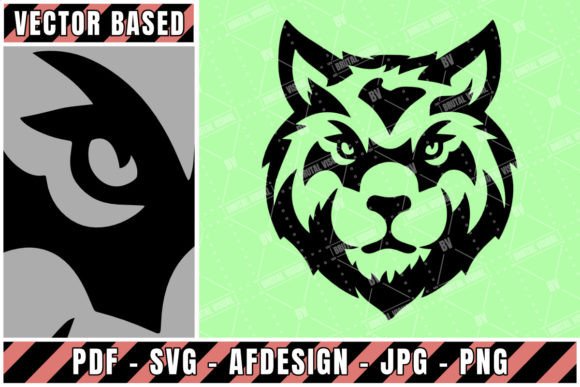
The Wild Cat - Vector Based Design
As a designer who’s worked with countless embroidery files, I always start by evaluating the visual impact and practicality of a design before using it in real projects. The Wild Cat - Vector Based Design immediately caught my attention for its bold, stylized approach and clear, intentional layout. It’s not just a pretty image—it’s a design that feels ready to be transformed into something meaningful.
First Impressions: A Bold and Stylish Embroidery Concept
The Wild Cat design is striking in its simplicity and character. The shape is clean, the lines are well-defined, and the overall mood is confident and playful. It doesn’t try to be too busy, which makes it versatile for different applications. The layout feels balanced, with enough detail to stand out but not so much that it becomes overwhelming.
This design would naturally fit into custom apparel, baby items, or personalized gifts. Its style suggests a modern, slightly edgy aesthetic that could appeal to a wide range of customers. Whether it’s on a tote bag, a sweatshirt, or a patch, it has the potential to make a statement without being too loud.
Real-Life Embroidery Scenarios: Where It Shines
I’ve tested similar designs on various fabrics and found that The Wild Cat - Vector Based Design performs well on most standard materials. It works especially well on cotton, canvas, and light-weight denim—fabrics that hold up well to stitching without distorting the design.
For example, if you’re creating a custom embroidered tote bag, this design would look great as a front panel. The stitch density is moderate, which means it won’t cause puckering or fabric distortion. On a sweatshirt, it adds a subtle yet eye-catching element that complements casual wear.
It also holds up well on baby clothes, where clarity and softness matter. The design isn’t too intricate, so it avoids the risk of looking messy when stitched onto delicate fabrics. For holiday or wedding gifts, it can be used as an embroidered pillow cover or a decorative wall hanging.
Where to Be Cautious: Limitations and Considerations
While The Wild Cat - Vector Based Design is strong in many situations, there are areas where it may require extra care. If you’re working with small hoop sizes, the design might need to be split or adjusted to fit. This could be a challenge if you’re using a machine with limited space.
On textured or stretchy fabrics, the design might not sit as smoothly. You’ll want to use the right stabilizer to prevent shifting or stretching during stitching. Thin or dark fabrics could also affect how the design appears, especially if the thread color doesn’t contrast well.
If you’re planning to use this design on curved surfaces like caps or hats, pay close attention to how the details align. Tiny corners or intricate parts may get lost if the hoop isn’t positioned correctly. Similarly, if you’re adding it as a decorative accent, ensure the stitch density is appropriate for the fabric type.
Impact on Visual Appeal and Customer Perception
One of the biggest advantages of The Wild Cat - Vector Based Design is its ability to elevate the visual appeal of any product. It adds a sense of personality and craftsmanship that customers recognize. When used on handmade products or personalized gifts, it signals quality and attention to detail.
From a business perspective, this design can help build trust with buyers. A well-executed embroidery project makes your brand look more professional, whether you’re selling on Etsy, at a craft fair, or running a small shop. It also enhances the giftability of your products, making them more appealing for holidays, birthdays, or special occasions.
Practical Designer Notes: What to Check Before Using
Before committing to a project, I always recommend testing the design on scrap fabric. This helps you see how the stitches look in real life and identify any issues early on. Pay attention to how the thread colors interact with the fabric—especially on dark backgrounds.
Review the stitch density to make sure it’s suitable for your chosen fabric. If the design is too dense, it might cause stiffness or pilling. Confirm the hoop size needed to accommodate the design, and check if it works with your embroidery machine.
Inspect small details like corners and edges to ensure they remain sharp after stitching. Test the design in black and white mockups to see how it translates without color. Also, verify that it meets your licensing requirements if you plan to sell finished products or digital files.
Final Thoughts: A Versatile Design for Creative Projects
The Wild Cat - Vector Based Design is a solid choice for anyone looking to add a unique, stylish element to their embroidery projects. It’s well-suited for custom apparel, baby items, and personalized gifts, and it offers flexibility for both personal and commercial use.
Whether you’re an Etsy seller, a craft business owner, or a hobbyist, this design has the potential to enhance your product line and attract a wider audience. Just remember to test it thoroughly and consider the specific needs of your project before finalizing it.
Overall, The Wild Cat - Vector Based Design is a reliable and creative asset that can bring value to your work. With proper preparation and attention to detail, it can become a standout piece in your collection of embroidery files and design assets.