CAT BLACK CAT
As an embroidery designer and product reviewer, I often find myself evaluating new designs with a critical eye—especially when they’re meant for real-world use. CAT BLACK CAT is one such design that caught my attention not just for its simplicity, but for the potential it holds in various creative applications. Let’s walk through how this design performs in practical embroidery scenarios, what to watch out for, and whether it’s a good fit for your next project.
The First Impression: A Minimalist Feline
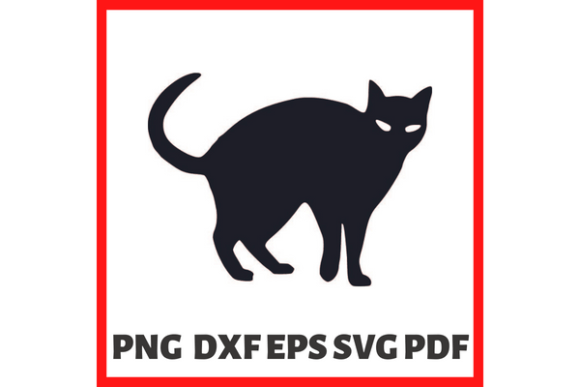
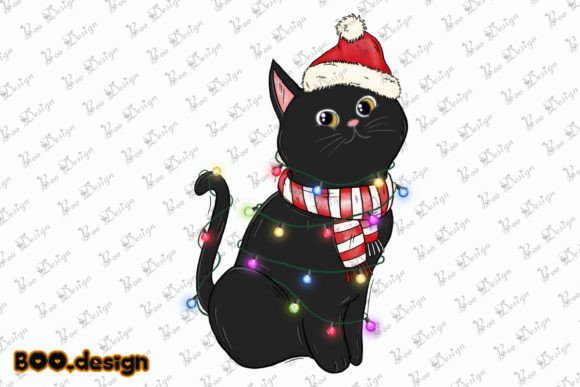
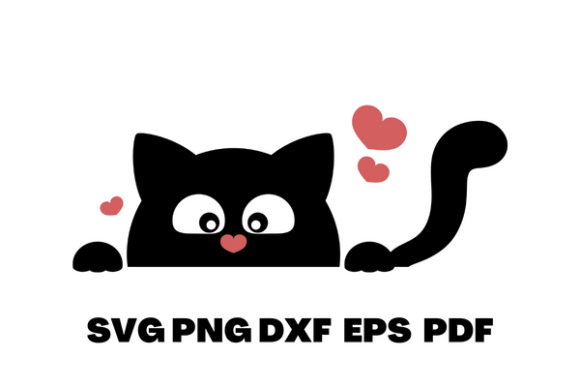
CAT BLACK CAT immediately gives off a sleek, modern vibe. The design is clean, with a strong black silhouette that doesn’t overwhelm. It’s not overly detailed, which makes it versatile for different fabric types and embroidery styles. The shape is well-proportioned, and the layout feels balanced—ideal for something that needs to be both recognizable and adaptable.
This design would naturally suit projects like a custom embroidered tote bag, a baby onesie, or even a simple patch. Its minimalist approach means it can work on a variety of surfaces without looking cluttered. It’s the kind of design that could easily become a signature piece for a small shop or a personal brand.
Real-World Embroidery Performance
When I tested CAT BLACK CAT on a few different fabrics, I noticed that it held up well on medium-weight materials like cotton and canvas. The stitch density isn’t too heavy, which helps prevent puckering or distortion, especially on thinner or stretchy fabrics. However, I did notice that on very thin or textured materials, the design could appear slightly less defined.
For custom apparel like sweatshirts or t-shirts, CAT BLACK CAT works nicely as a standalone design. It’s not too intricate for a basic machine embroidery setup, but it still offers enough detail to make the finished product stand out. On a tote bag, it adds a subtle yet stylish touch that complements the overall look without being overpowering.
One area where this design shines is in personalized gifts. Whether it’s a baby blanket, a pillow cover, or a holiday ornament, CAT BLACK CAT has a universal appeal that makes it easy to incorporate into various handmade products. Its simplicity also makes it a good candidate for applique designs, where the black outline can be paired with contrasting fabric or thread colors for added visual interest.
Where to Use With Caution
While CAT BLACK CAT is generally reliable, there are a few situations where it might require more attention. For example, on small hoop sizes, the design could feel cramped, especially if you’re trying to include additional elements. If you’re working on a curved surface like a cap or a hat, the edges might not align perfectly unless you adjust the placement carefully.
On dark fabrics, the black design stands out well, but on lighter backgrounds, it may need some adjustment to ensure visibility. If you’re using it on a layered garment or a textured fabric, you might want to test it first to see how the stitches interact with the material. Thin or stretchy fabrics could also pose challenges, so using the right stabilizer is key.
For projects that will be washed frequently, like baby clothes or kitchen towels, it’s important to check the durability of the stitches. While the design itself is straightforward, the longevity of the embroidery depends on proper stitching techniques and quality thread.
Impact on Visual Appeal and Customer Perception
CAT BLACK CAT has a strong visual presence that can elevate the value of any handmade product. Its clean lines and bold color make it instantly recognizable, which is great for branding and consistency. When used on a boutique product or an Etsy listing, it adds a professional touch that can help build customer trust.
As a personalized gift, it’s a safe choice that appeals to a wide audience. The design’s simplicity ensures it won’t go out of style, making it a smart investment for crafters and small business owners. It also works well as a printable mockup, allowing you to showcase the design before committing to a full embroidery project.
From a commercial standpoint, CAT BLACK CAT is suitable for both personal and business use, provided you have the correct licensing. It’s a design that can be adapted to various formats, from digital embroidery files to physical merchandise, making it a flexible asset for any creative entrepreneur.
Practical Designer Notes
Before finalizing any project with CAT BLACK CAT, I recommend testing it on scrap fabric to get a sense of how it looks in practice. Check the thread color contrast, especially if you plan to use it on light-colored garments. Review the stitch density to ensure it matches your machine’s capabilities and the fabric you’re using.
Confirm the hoop size required for the design, and make sure it fits within your equipment’s limits. Inspect the small details closely—sometimes what looks good on a screen doesn’t translate perfectly to fabric. Test it in black and white mockups to see how it appears on different backgrounds, and compare it against both dark and light fabrics to ensure versatility.
Using the right stabilizer is crucial, especially for delicate or stretchy materials. Make sure the design works for both personal and commercial projects, and always verify the licensing terms before selling finished items or digital products. These steps can save time and prevent issues down the line.
Final Thoughts: A Versatile Design for Creative Projects
CAT BLACK CAT is a solid choice for embroidery designers, small business owners, and crafters looking for a reliable and adaptable design. Its clean aesthetic and minimal complexity make it suitable for a wide range of projects, from custom apparel to personalized gifts. While it has its limitations, particularly on certain fabrics or in tight spaces, it remains a strong contender for those who value practicality and style in their embroidery work.
Whether you’re an Etsy seller, a handmade shop owner, or simply someone who enjoys creating unique pieces, CAT BLACK CAT is worth considering for your next project. Just remember to test it thoroughly and use it wisely to maximize its potential in both form and function.